

Opera is often mistaken for a stuffy, high-brow pursuit, yet it began as an experimental spectacle for the rowdy crowds of Renaissance Italy. It is essentially the emotional soap opera of the classical music world.
If you are just starting your journey, you need a compass to sort through the noise. Here are the Best Opera Recordings for Beginners to help you find your footing among the sopranos and tenors.
Key Takeaways
- Prioritize recordings that include printed librettos so you can follow the plot as the music progresses.
- Choose guides that focus on historical context to help you understand why certain singing styles evolved over time.
- Verify that your instructional books offer clear, high-quality audio examples to guide your own practice sessions.
- Check the difficulty level of any sheet music to ensure it matches your current technical skills on your instrument.
- Look for collections that offer a mix of famous arias and lesser-known works to keep your listening experience fresh.
| Essential Historical Context |  |
The History of Opera | Clear historical timeline | Accessible for newcomers | Covers major eras | View on Amazon | Read Review |
| Vintage Vocal Archive | 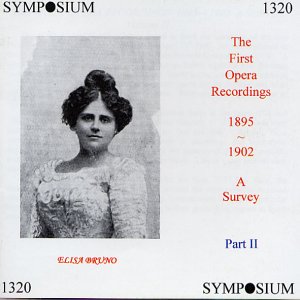 |
First Opera Recordings 1895-1902 | Historic vocal preservation | Rare early performances | Essential collector items | View on Amazon | Read Review |
| Witty Plot Companion | 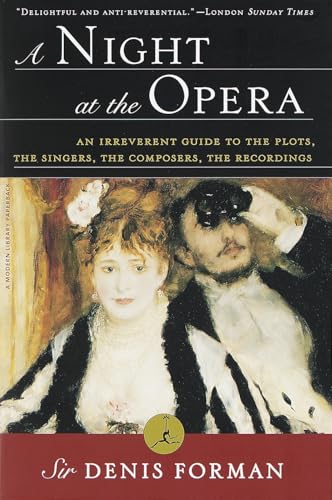 |
A Night at the Opera Guide | Highly readable style | Practical listening advice | Humorous plot summaries | View on Amazon | Read Review |
| Expert Discography Reference | 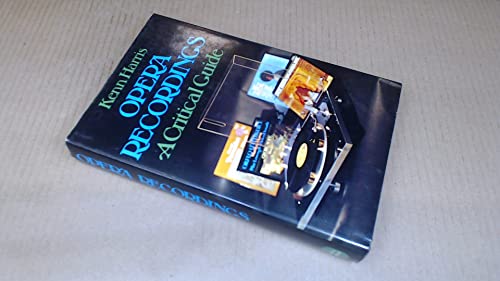 |
Opera Recordings Critical Guide | Detailed comparative analysis | Focuses on audio quality | Broad work coverage | View on Amazon | Read Review |
| Practical Lute Adaptations |  |
Renaissance Guitar Pieces | Accessible arrangements | Online audio included | Good for technique | View on Amazon | Read Review |
| Foundational Piano Technique |  |
Czerny Practical Method | Builds finger strength | Clear technical progression | Reliable instructional method | View on Amazon | Read Review |
| Melodic Practice Collection |  |
Rubank Flute Solos | Beautiful melodic selections | Includes piano accompaniment | Encouraging for beginners | View on Amazon | Read Review |
| Structured Fingerstyle Training | 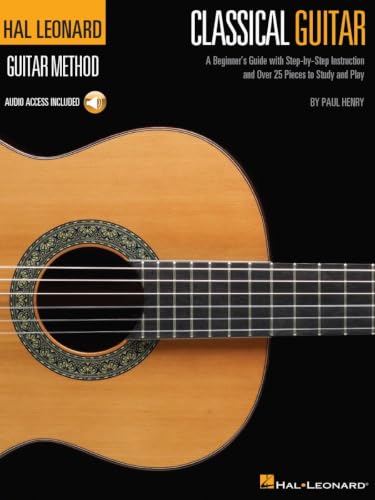 |
Hal Leonard Guitar Method | Comprehensive step-by-step approach | Strong focus on fundamentals | Includes online audio | View on Amazon | Read Review |
| Ensemble Skill Builder |  |
Trapp Family Recorder Method | Encourages ensemble playing | Includes group arrangements | Clear instructional path | View on Amazon | Read Review |
| Essential Repertoire Anthology |  |
Library of Piano Classics | Extensive song collection | Famous repertoire included | Durable binding | View on Amazon | Read Review |
More Details on Our Top Picks
-
The History of Opera
If you want to understand why opera characters spend twenty minutes dying while singing at full volume, this book is your starting line. It breaks down the evolution of the form into digestible pieces.
You get a clear timeline that connects the Baroque era to modern productions. It acts as a map for someone who feels lost in the sheer scale of the repertoire. Keep in mind that this is a broad overview, so you will not find deep track-by-track album critiques here.
- Content Focus:History of Opera
- Publication Style:Informational Book
- Additional Feature:Chronological narrative
- Additional Feature:Clear period distinctions
- Additional Feature:Contextual cultural background
-
First Opera Recordings 1895-1902
Listening to these early cylinders and discs is like looking at a sepia-toned photograph of a famous landmark. You hear the scratchy, distant voices of singers who defined the early professional era of recorded sound.
This collection is perfect for the curious listener who wants to hear the origins of vocal technique. Expect the audio quality to be quite primitive, as the technology of the time could only capture so much detail.
- Primary Format:Audio Recordings
- Skill Level:General Enthusiast
- Content Focus:Vocal History
- Additional Feature:Archival sound quality
- Additional Feature:Rare 19th-century performances
- Additional Feature:Historical documentation included
-
A Night at the Opera Guide
Most guides are dry, but this one treats opera with the irreverent humor it occasionally deserves. It helps you get through the most confusing plot twists without needing a degree in musicology.
The author provides solid recommendations for recordings while poking fun at the absurdity of librettos. Do not expect a scholarly thesis, as the tone stays light and conversational throughout the chapters.
- Skill Level:Beginner
- Content Focus:Plots and Recordings
- Publication Style:Guidebook
- Additional Feature:Commentary on singers
- Additional Feature:Critical recording suggestions
- Additional Feature:Playful plot breakdowns
-
Opera Recordings Critical Guide
When you have thousands of recordings to choose from, you need a discerning filter. This guide cuts through the noise by comparing different versions of the same core works.
It is best for the person who has already heard a few pieces and wants to find the definitive versions for their library. Just be aware that the recommendations reflect the specific preferences of the author rather than universal consensus.
- Skill Level:Intermediate
- Content Focus:Recorded Performance
- Publication Style:Reference Guide
- Additional Feature:In-depth discography
- Additional Feature:Performance style critiques
- Additional Feature:Comparative listening notes
-
Renaissance Guitar Pieces
If you want to play the music you hear in early operas, this book provides a direct path to the instrument. It translates complex lute works into manageable pieces for the classical guitar.
The included audio serves as a helpful reference for tempo and phrasing. Note that this is primarily a performance book, so you will spend more time practicing than reading about music history.
- Primary Format:Sheet Music
- Instructional Type:Performance Book
- Included Audio:Online tracks
- Skill Level:Beginner to Intermediate
- Content Focus:Renaissance repertoire
- Additional Feature:Lute work transcriptions
- Additional Feature:Performance audio tracks
- Additional Feature:Clear notation style
-
Czerny Practical Method
Every opera house needs an orchestra, and every orchestra needs a foundation of solid musicianship. These exercises are a classic way to develop the dexterity required for complex classical piano scores.
The online audio allows you to hear the intended rhythm before you try to play it yourself. These etudes are not songs in the traditional sense, so they are purely for building your technical capability.
- Primary Format:Etude Book
- Instructional Type:Technical Method
- Included Audio:Online Audio
- Skill Level:Beginner
- Content Focus:Piano technique
- Additional Feature:Progressive difficulty levels
- Additional Feature:Online accompaniment tracks
- Additional Feature:Standardized classical training
-
Rubank Flute Solos
Opera is full of gorgeous flute solos, and this collection lets you play them at an easy level. It is perfect for someone who wants to enjoy the music rather than just grinding out drills.
The piano accompaniments make you feel like you are performing in a real recital. Keep in mind that these are simplified versions, so they lack the virtuosic flair of the original operatic scores.
- Primary Format:Sheet Music
- Included Audio:Online tracks
- Skill Level:Easy
- Content Focus:Classical Solos
- Additional Feature:Practice tools included
- Additional Feature:Various composer selections
- Additional Feature:Accompaniment tracks provided
-
Hal Leonard Guitar Method
Learning to read music is the gateway to repertoire, and this method covers the basics with efficiency. It takes you from holding the instrument to playing complete pieces of music.
The online audio acts as an extra teacher in the room to verify your timing. This is a comprehensive method, so it moves quickly through theory and sight-reading fundamentals.
- Instructional Type:Method Book
- Included Audio:Online Audio
- Skill Level:Beginner
- Content Focus:Classical guitar
- Additional Feature:Sight-reading exercises
- Additional Feature:Fingerstyle techniques
- Additional Feature:Repertoire building
-
Trapp Family Recorder Method
The recorder is a surprisingly versatile instrument that captures the spirit of early baroque music perfectly. This method encourages you to play with others, which is the most fun part of the experience.
You get to practice duets, trios, and quartets that teach you about balance and listening. Remember that the recorder requires a light touch, as the sound can become piercing if you are too aggressive with your breath.
- Primary Format:Method Book
- Instructional Type:Instructional Songbook
- Skill Level:Beginner
- Content Focus:Recorder technique
- Additional Feature:Ensemble arrangements
- Additional Feature:Embellishment lessons
- Additional Feature:Multi-part score practice
-
Library of Piano Classics
Once you have the basics down, you need a collection of timeless music to keep you interested. This volume packs in famous pieces that show up frequently in operatic arrangements and classical recitals.
It offers a high volume of content for the price, making it a staple for any home library. The pieces are meant for intermediate to advanced players, so do not start here if you are still learning your scales.
- Primary Format:Sheet Music
- Skill Level:Intermediate to Advanced
- Content Focus:Classical Piano
- Additional Feature:Wide variety of composers
- Additional Feature:Large collection of pieces
- Additional Feature:Standard piano solo format
Frequently Asked Questions
Do I need to understand Italian to enjoy opera?
You absolutely do not need to speak the language to appreciate the beauty of the human voice. Opera is an emotional medium, and the music itself carries the weight of the story regardless of the words. Using a libretto or a synopsis will help you keep track of the plot, but the raw feeling behind the singing is universal.
Are these recordings very expensive?
You can find excellent recordings across a wide range of price points. Many classic sets are now available as budget-friendly reissues, while newer high-resolution digital files or deluxe box sets might command a higher premium. You do not need to spend a fortune to get a world-class performance that will last a lifetime.
How long does a typical opera recording take to listen to?
Operas vary significantly in length, ranging from tight two-hour comedies to epic four-hour dramas that span multiple discs. It is perfectly acceptable to listen in shorter segments rather than forcing yourself through the entire work in one sitting. Treat it like a multi-part series rather than a single movie to avoid listener fatigue.
Should I start with a famous opera or something obscure?
Start with the heavy hitters like Carmen, La Boheme, or The Marriage of Figaro. These works have memorable melodies and clear, engaging plots that make them the gold standard for new listeners. Once you understand the basic structures, you can branch out into more niche compositions with confidence.
Is it better to watch a performance or just listen to the audio?
Listening to a recording allows you to focus entirely on the nuances of the orchestration and the vocal technique. Watching a performance adds a visual layer of acting and stagecraft that can make the story feel more grounded and immediate. Many people choose to start with the audio to become familiar with the music before seeing the visual production.